The Quiet Shift Changing UX
UX
Daniel Mitev
6 mins
Jan 10, 2026
Design keeps evolving with technology, sure. And this happened before, but this shift feels different, it’s not simply about faster tools or slightly improved interface. It’s about a fundamental change in what design represents and where its value sits.
Right now, three big transformations collide. Designers are moving away from static screens, leaning into building full flows and shaping behaviours. Conversational AI redefines the user experiences from the ground up. Plus, with Gen-AI tools and mature design systems, designers shift from pixel movers to curators of experiences. All these transformations quietly reshape UX at its core.
From screens to behavior
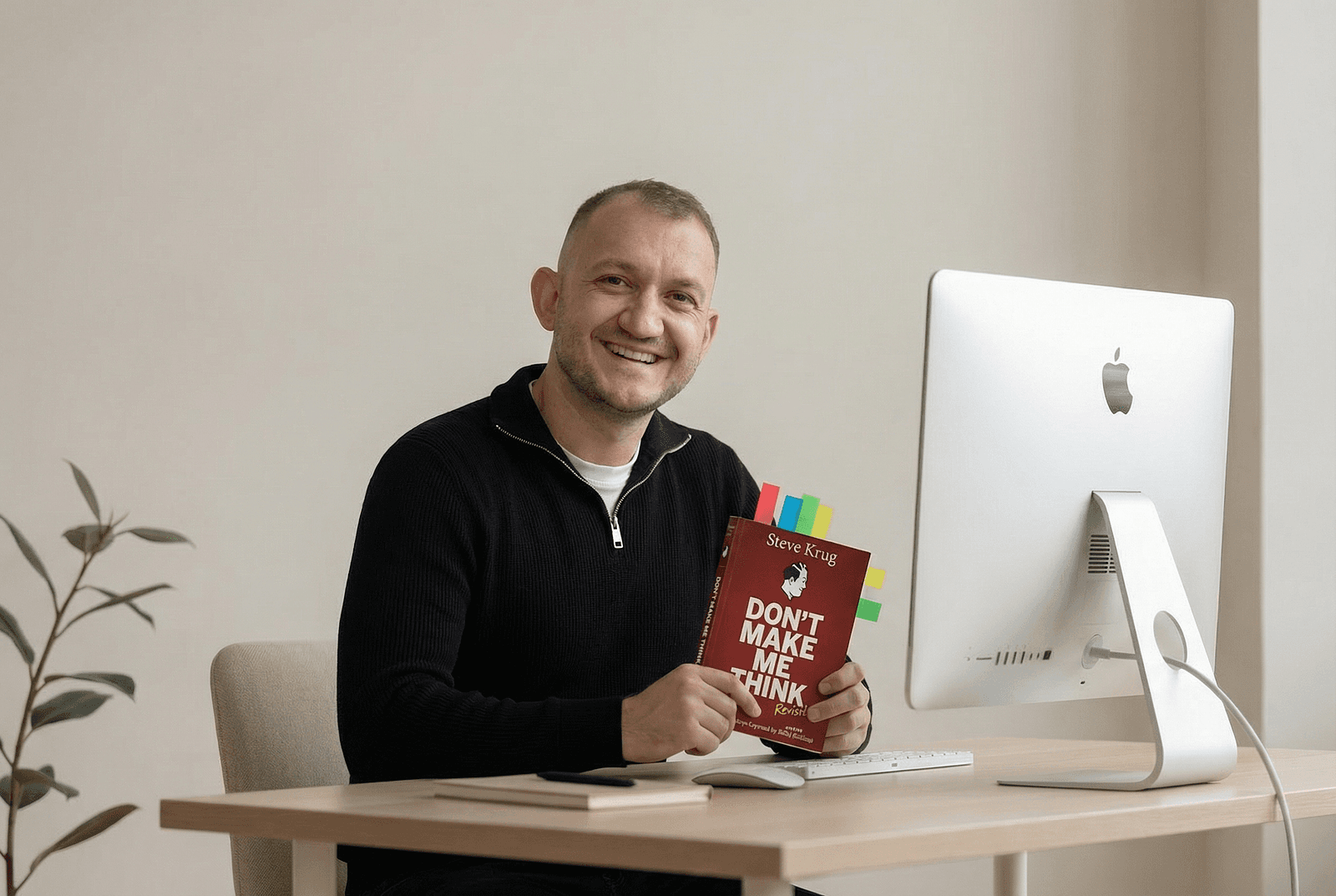
UX was never just about screens
From Screens to Systems: Designing the Logic, Not Just the Layout.
Back in the day, UX design focused mainly on interfaces. Think pages and layouts, breakpoints, all the components, yeah, that defined the work. We’d talk about flows, sure, but really, we just built out sequences of screens.
But now, that way of doing things is changing. Products are now changing and adapting depending on what’s happening around them, what the user has done before and what’s happening right now. One thing you do can lead to completely different results depending on how the user uses the system or what they know about it. Screens are becoming temporary; what really matters is what’s happening underneath and how the system changes.
For example, TikTok’s ‘For You’ feed really shows how we’re moving towards behavioural design. It reacts to micro-behaviors like how fast you scroll, when you rewatch videos and even when you pause to read the comments section. The system keeps learning as you use it, changing from exciting trends around midday to more relaxing content later in the evening. This design is like a never-ending feedback loop where the system’s actions are what you interact with most.
So, designers need to think about how the system behaves, not just what it looks like. What makes people react? And if it doesn’t work? How does it all unfold over time? These are no longer just details, but rather they are the core design decisions. The old way of handing things over doesn’t work as well anymore because of this.
Visuals alone don’t have enough meaning. Now, designers are getting closer to the creation phase, not just copying what coders do, but making sure the actual usage match the initialy created flows. Words are becoming the key to everything.
Language as interface

Designing for Voice
So, how we interact with technology is changing. AI that can talk means we can use everyday language instead of just buttons. This shifts the power from the setup to the people using it. Conversations feel natural to us. We handle vague details, backgrounds and nuances without even thinking about it. Software that understands plain speech reduces resistance.
We don’t have to adapt to apps; apps adjust to us. Creating these chats is a tricky task. Conversations have a flow, a beat and hopes built in. Systems need precision, limits and backup plans. The challenge is to connect these worlds. That’s why many AI products don’t take off. They focus too much on the technology and not enough on the user experience.
The real problem with AI lies in how the experience is designed and shaped for people.
This change is more than just about “talking” with our devices. We are stepping into the world of Generative UI, where interfaces are no longer static buttons. Instead, the system understands what you want and creates the right tools for you right then and there. For example, if you ask a financial app to ‘rebalance your portfolio’, it should not just take you to a settings page; it should show you a temporary, custom slider right in the chat or dashboard. The interface becomes ‘fluid’, showing up when you need it and disappearing when the job is done.
From building to curating
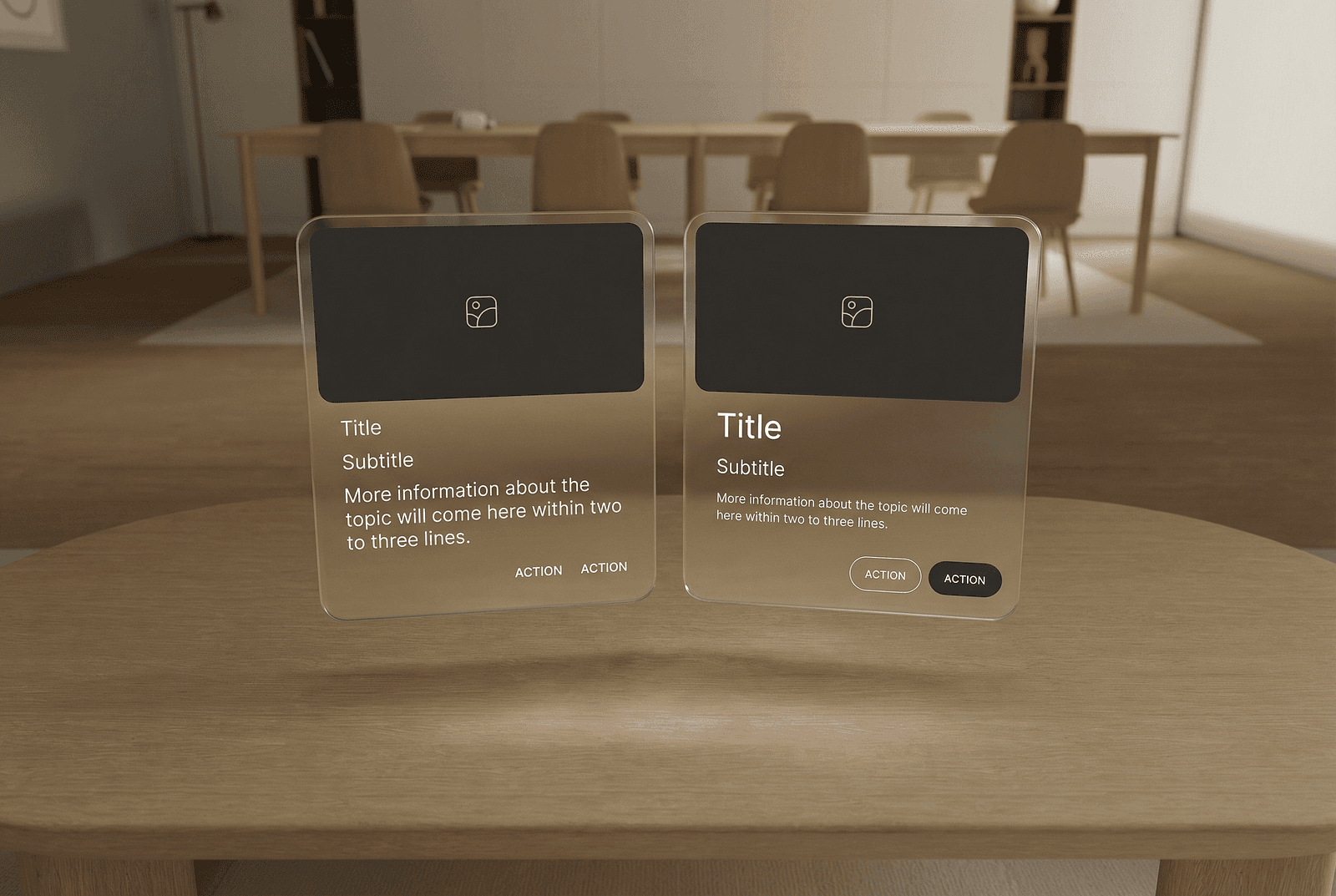
Choosing well is becoming our most valuable skill.
Switching from building to managing AI and using mature design frameworks changes how we work every day. It speeds things up and opens up possibilities.
Components come prebuilt. Layouts and patterns are defined and standardised. Even people who are not experts can create something that works. The walls come down, but the best ideas move to other areas. When you are primarily focused on building these elements, you have less time to think deeply. Designers shift from creating everything to selecting, tweaking and shaping what is already made.
This lowers the barrier to entry, but it shifts where designers add value.
Designers now focus on curating, refining and shaping the final results, which is a strategic and decisive role. This shift does come with some risks. Sometimes, we settle for ‘good enough’ design, which can mask more serious issues. The design might look good on the surface, but it could be acting strangely beneath the surface.
As designers gain more experience, they are now in charge of ensuring quality, making sure everything fits together well, and that it has a clear purpose. It all boils down to making more thoughtful choices rather than prescribing how tools should be used.
Responsibility grows with influence
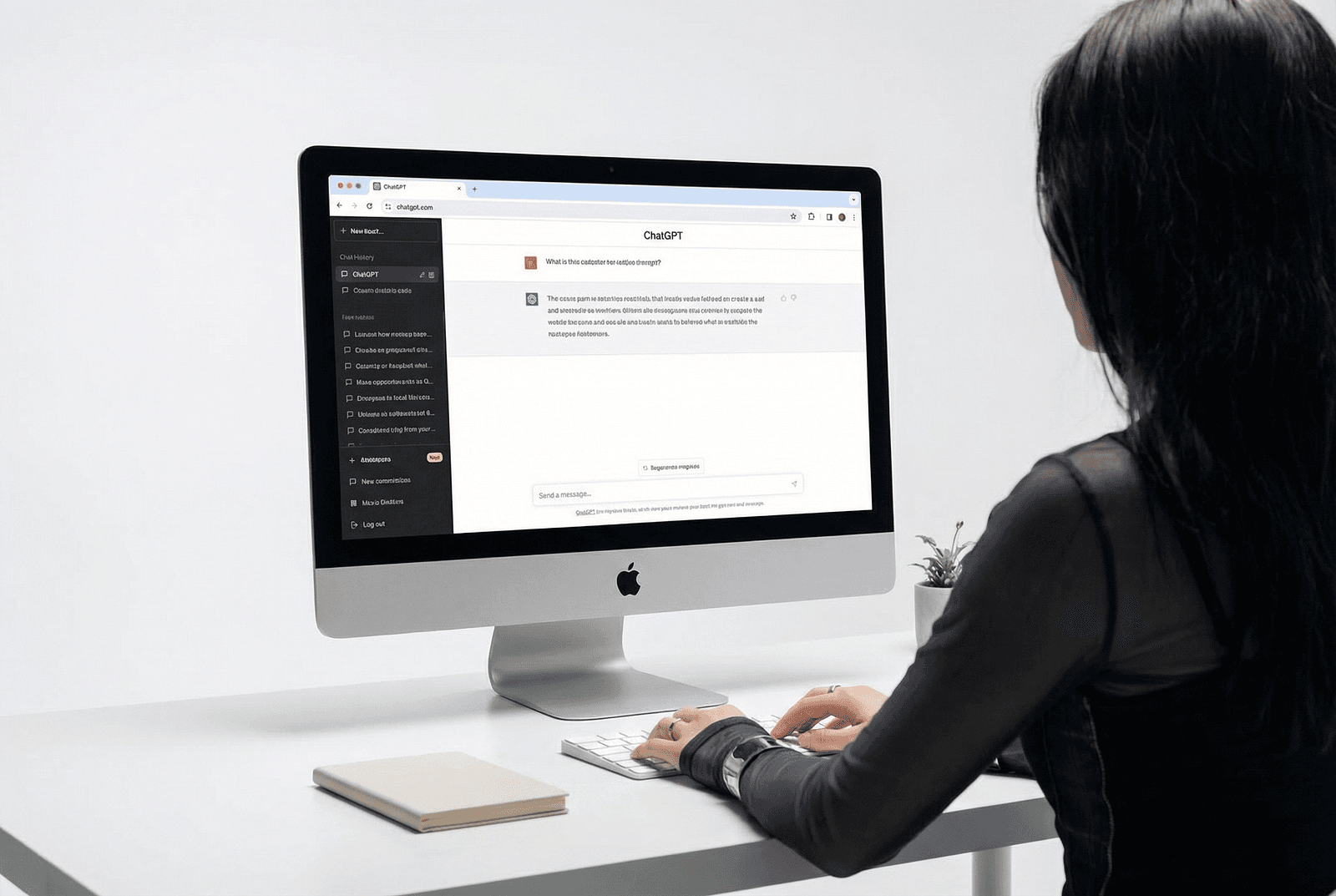
Being open about AI is becoming part of the Job.
AI is also changing how we see work. Some people are showing off how they use AI, while others are keeping it under wraps. But no matter what, the output increase while the processes are less visible.
Designers are right in the middle of this. They understand both the technical and the emotional aspects. Often, they decide where bots can help or where they can boost confidence. These decisions involve ethics as much as technology.
When AI-generated content looks like it is made by humans, we need to consider the context. Being open and reliable is important.
More and more, designers are shaping not only products but also the standards we expect.
What This Means for UX Designers
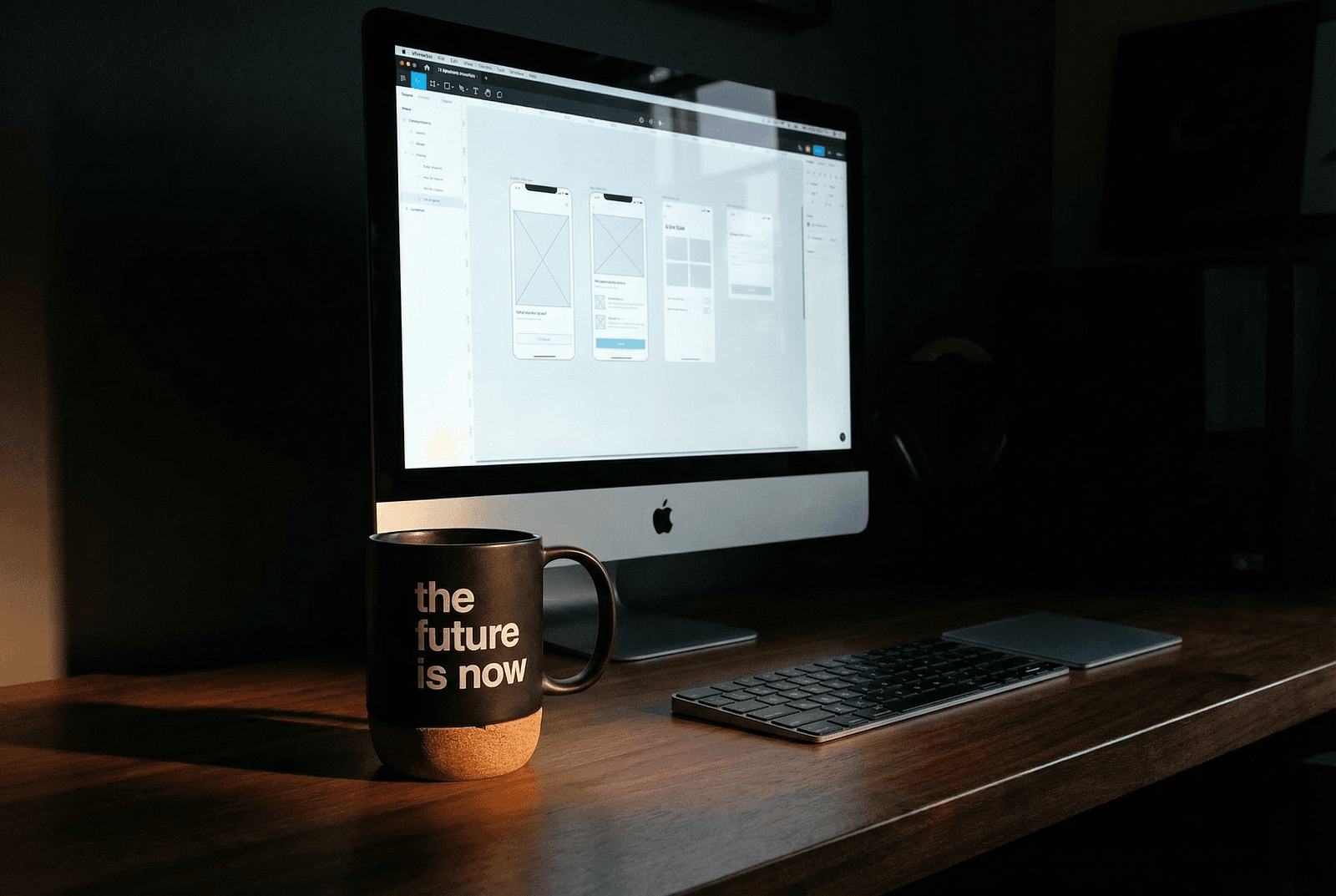
The future UX designer is defined less by tools and more by perspective.
Tomorrow’s designers focus on systems:
- They think in flows, not screens.
- They get the language, psychology and context.
- They master the ‘Prompt’, using speech to guide system logic, just as they once used a Pen tool.
- They select the strongest ideas rather than trying to perfect everything.
- They own the results, not just the finished product.
This does not mean giving up on skill. It means using skills smartly. Knowing when to be precise and when to be quick. Knowing when to use agents and when to step in.
Most importantly, it means taking responsibility. As interfaces become part of our conversations and systems change as we use them, the designer’s influence grows. So does the impact of their choices.
For the first time, we can talk to our tools, and they can talk back. That is really powerful. But it is also delicate.
The future of UX focuses on designing systems that serve people with clarity, respect, and intent.
Design has always helped us connect with technology. Now, it is helping technology connect with us.
Read more:
AI Integration in UX Design: Enhancing User Experiences
Unlocking Success: How a UX Strategy Consultant Transforms Brands
Building AI Products with Great UX: Mastering the Text Prompt

How Can We Reduce Stress for Users?

Why UX Is Moving From Execution to Judgment
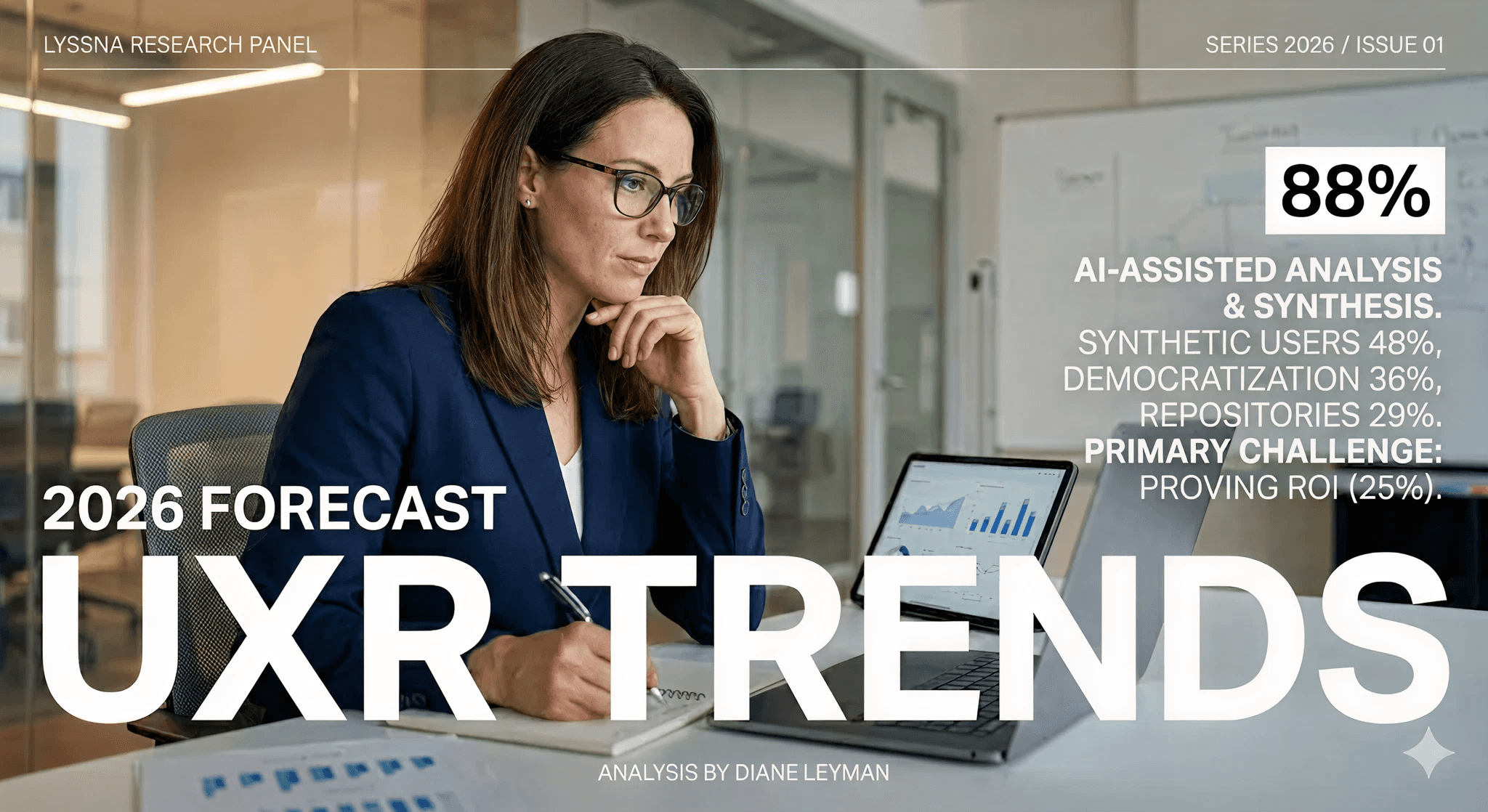
UX Research in 2026: When AI Takes the Work and Leaves Us the Weight

The Quiet Shift Changing UX
Synthetic users: is there a place for “AI-generated users” in UX Research?
The Mechanics Behind Making Better Design Decisions

Is mobile-first approach killing your website’s potential?