
UX Sofia 2025: Notes From the Quiet After
Public Speaking, UX, AI
Daniel Mitev
6 min
Jan 19, 2026
UX Sofia 2025 created space for reflection at a moment when the role of UX is actively shifting. The conversations centered on judgment, responsibility, and how designers create value as AI becomes embedded in everyday work. This article reflects on the experience, the discussions that stood out, and the lessons that feel durab
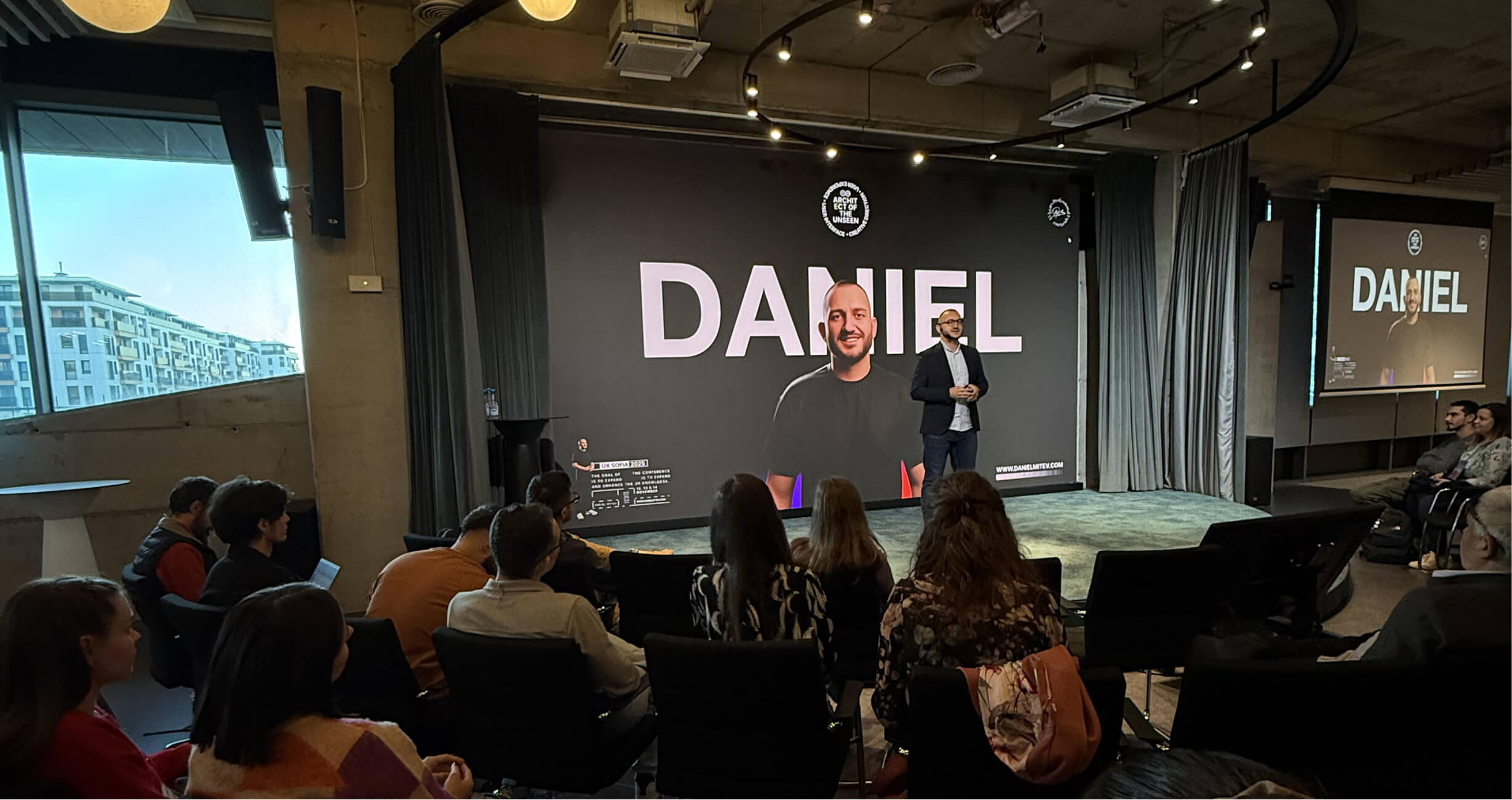
Why It Took a Week to Write This
It took me a full week to sit down and reflect on UX Sofia 2025.
Some experiences need distance before they make sense.
Good events leave residue. They follow you into workdays, quiet evenings, and half-formed thoughts that only connect later.
This one stayed with me longer than expected.
What UX Sofia 2025 Felt Like
The announced topic was clear.
The skills of UX designers of the future.
Inside the room, the conversation moved deeper.
People were already living through the shift. They came with lived questions shaped by real projects, real pressure, and real responsibility.
The focus was practical. The mood was honest.
The Shift Already in Motion
AI is already part of the design workflow.
It drafts. It generates. It organizes. It accelerates.
The effect is visible in how quickly work moves and how much output is suddenly possible.
What changes is the role designers play inside that speed.
Design value moves earlier in the process:
Framing problems
Choosing what to ignore
Deciding when something is good enough
Knowing when automation should stop
Key insight:
As execution becomes faster, decision quality becomes more visible.
The Questions That Filled the Room
The most common questions shared a pattern.
Where should my attention go now?
How do I evaluate options when AI produces many acceptable ones?
How do I know when a solution fits reality instead of just looking correct?
These questions point to maturity.
They come from people already working inside complex systems.
Why Judgment Keeps Coming Up
Judgment appears where:
Metrics conflict
Context shifts faster than documentation
Users behave differently than expected
Systems technically function while people struggle inside them
These moments define UX work at scale.
They require experience, restraint, and accountability.
They cannot be delegated without consequences.
Key insight:
AI increases speed. Judgment protects outcomes.

The Importance of Being Together
What made UX Sofia 2025 meaningful extended beyond the talks.
It was the conversations between sessions.
The shared recognition that everyone is adjusting at the same time.
The sense of alignment across different companies, seniority levels, and disciplines.
These gatherings slow the industry down just enough to notice what matters.
Appreciation
A sincere thank you to Dimiter Simov and Angelina Toneva from Lucrat Bulgaria.
You created an environment that encouraged clarity, openness, and thoughtful exchange.
That kind of space supports learning in a way slides alone never can.
What I’m Taking Forward
A few things feel settled after UX Sofia 2025.
UX is increasingly about system behavior rather than individual screens
AI amplifies existing strengths and existing weaknesses
Designers who understand trade-offs remain central to decision-making
Responsibility now defines relevance more than output volume
These shifts are already underway.

Closing Thought
UX has always evolved through pressure.
Tools change. Expectations change. Constraints shift.
What stays constant is the need for people who can think clearly when complexity rises.
UX Sofia 2025 reinforced something simple.
Relevance grows when designers slow down at the right moments and choose carefully.
That is where meaningful work continues to live.
Read more:
AI Integration in UX Design: Enhancing User Experiences

Unlocking Success: How a UX Strategy Consultant Transforms Brands
Building AI Products with Great UX: Mastering the Text Prompt

How Can We Reduce Stress for Users?

Why UX Is Moving From Execution to Judgment
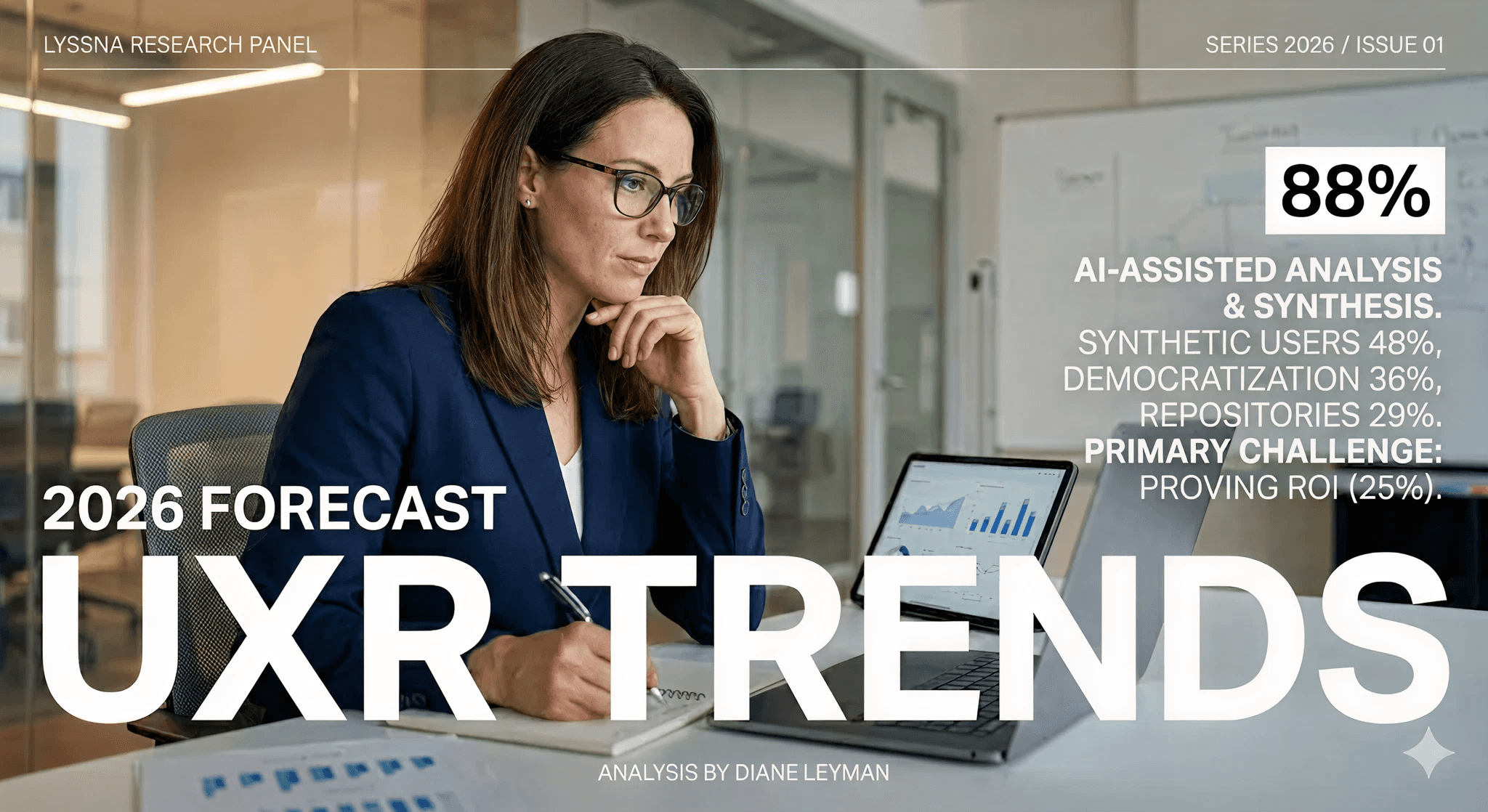
UX Research in 2026: When AI Takes the Work and Leaves Us the Weight

The Quiet Shift Changing UX
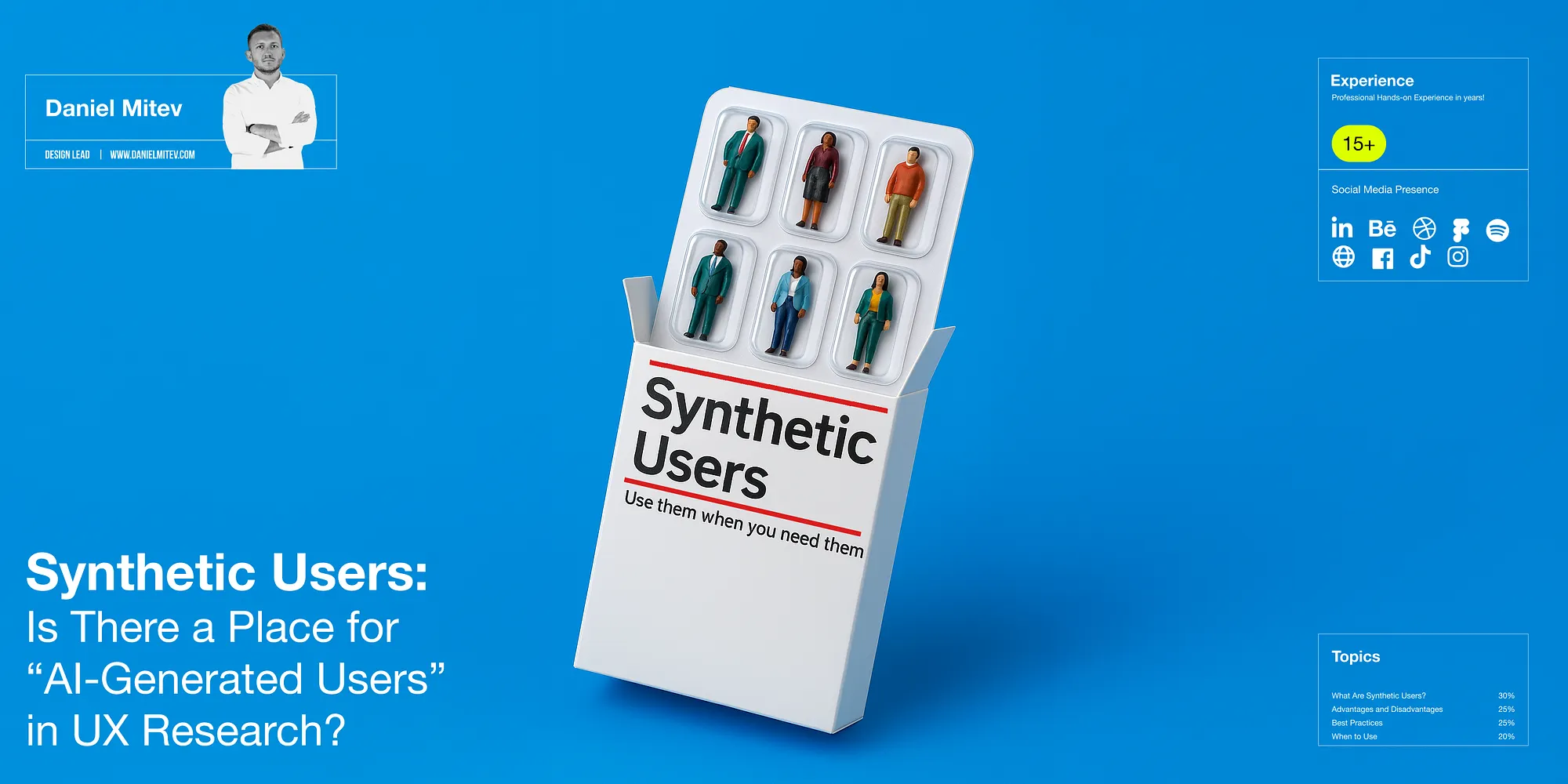
Synthetic users: is there a place for “AI-generated users” in UX Research?
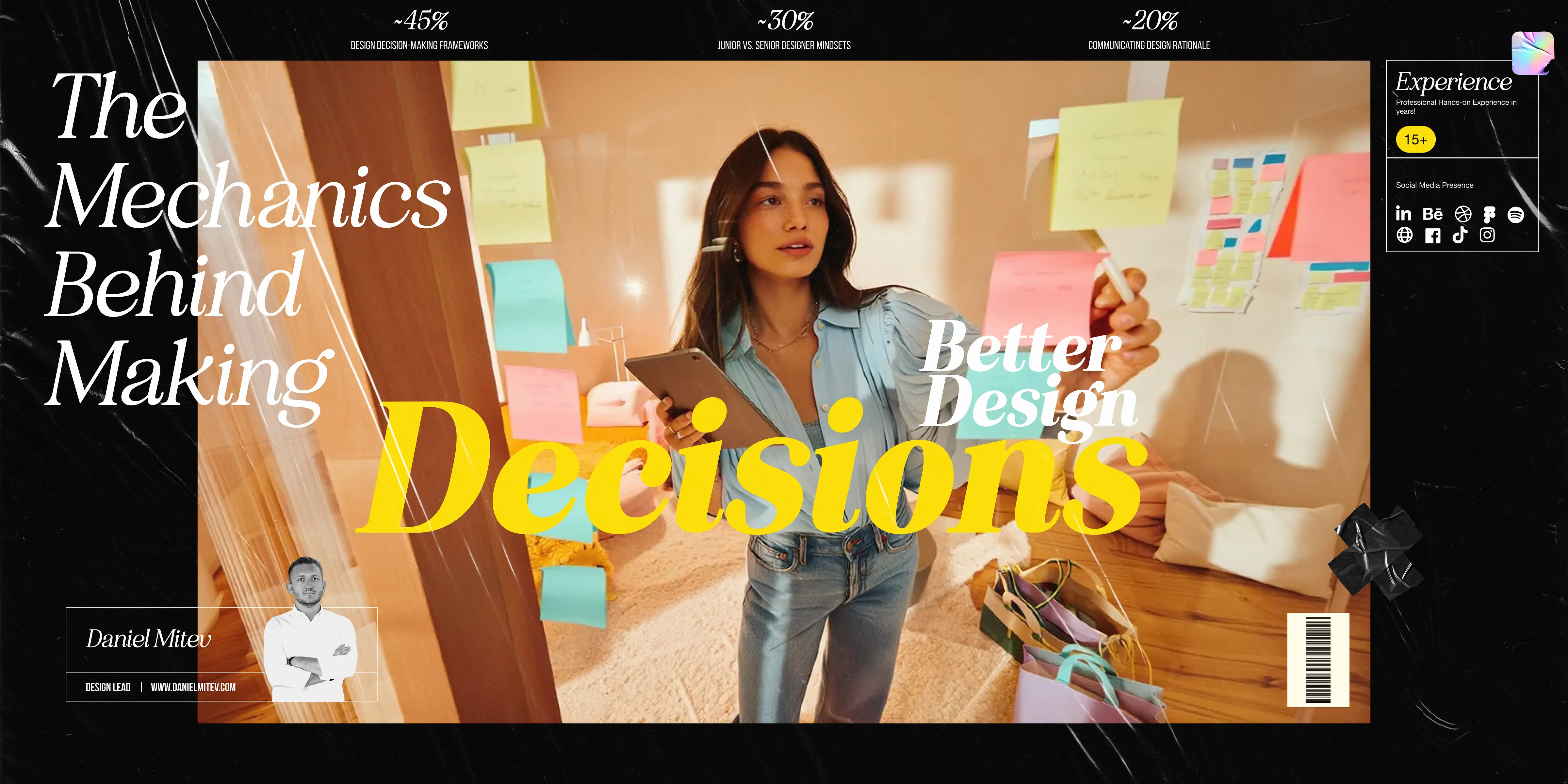
The Mechanics Behind Making Better Design Decisions

Is mobile-first approach killing your website’s potential?