
Unlocking Success: How a UX Strategy Consultant Transforms Brands
Strategy, UX,
Daniel Mitev, P.h.D.
12 min
Feb 14, 2026
Unlocking success goes beyond buzzwords; it’s about a tailored UX strategy. Discover how a UX strategy consultant can elevate your brand and transform user experiences.
Understanding UX Strategy Consulting

User Experience (UX) strategy consulting is an intricate field that marries design, business acumen, and psychology to create seamless and enjoyable interactions between users and products. At its core, UX strategy consulting focuses on understanding the needs, behaviors, and pain points of users to design solutions that are not only visually appealing but also functional and easy to use. This discipline requires a holistic approach, addressing every touchpoint a user has with a brand, from the initial discovery phase to post-purchase support.
A UX strategy consultant plays a pivotal role in this process. They are tasked with the responsibility of ensuring that all aspects of a product or service align with the overarching goals of the business while delivering an exceptional user experience. This involves extensive research, including user interviews, surveys, and usability testing, to gather insights that inform design decisions. By leveraging data and user feedback, a UX consultant can identify areas for improvement and recommend strategies that enhance user satisfaction and loyalty.
Moreover, UX strategy consulting is not a one-time effort but an ongoing process. As user expectations and market trends evolve, so too must the strategies employed by brands to stay competitive. A skilled UX consultant continuously monitors these changes and adjusts the approach accordingly, ensuring that the brand remains relevant and continues to meet the needs of its users. This proactive approach helps businesses stay ahead of the curve and maintain a strong competitive edge.
The Role of a UX Consultant in Brand Transformation
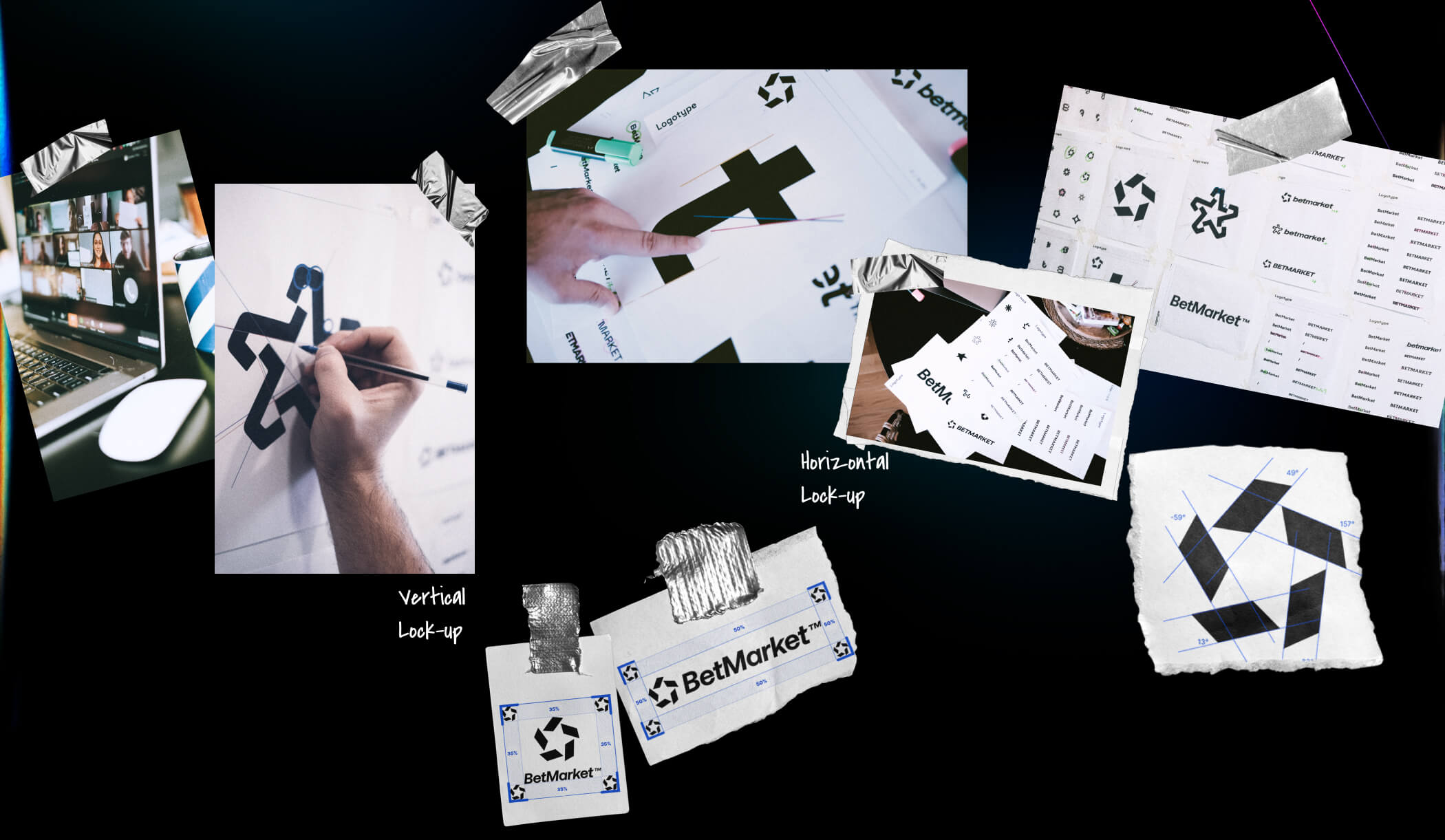
A UX consultant's role in brand transformation is multifaceted and extends beyond mere design tweaks. They act as catalysts for change, guiding businesses through a comprehensive process that redefines how users interact with their products or services. One of the primary responsibilities of a UX consultant is to conduct thorough research to understand the current state of the brand's user experience. This involves analyzing user behavior, identifying pain points, and gathering feedback to create a detailed picture of the user journey.
Once the research phase is complete, the UX consultant collaborates with stakeholders to develop a strategic roadmap that outlines the necessary steps to achieve the desired transformation. This roadmap includes specific recommendations for design improvements, feature enhancements, and usability optimizations. By aligning these recommendations with the brand's business objectives, the consultant ensures that the proposed changes not only enhance the user experience but also drive tangible business results.
In addition to providing strategic guidance, a UX consultant also plays a hands-on role in the implementation of the recommended changes. This may involve working closely with design and development teams to create wireframes, prototypes, and high-fidelity designs that bring the vision to life. The consultant also oversees usability testing and iterates on the design based on user feedback, ensuring that the final product meets the highest standards of usability and satisfaction. Through this collaborative and iterative process, the UX consultant helps brands achieve a seamless and impactful transformation.
Key Benefits of Hiring a UX Strategy Consultant

Hiring a UX strategy consultant offers numerous benefits that can significantly impact a brand's success. One of the most notable advantages is the ability to gain a deeper understanding of user needs and behaviors. By leveraging the expertise of a UX consultant, businesses can uncover valuable insights that inform design decisions and drive user-centric innovation. This user-focused approach not only enhances the overall experience but also fosters greater user satisfaction and loyalty.
Another key benefit of hiring a UX strategy consultant is the potential for increased efficiency and cost savings. By addressing usability issues early in the design process, businesses can avoid costly redesigns and rework down the line. A UX consultant's strategic guidance helps streamline the development process, ensuring that resources are allocated effectively and that projects are completed on time and within budget. This proactive approach to UX design can lead to significant long-term savings and improved return on investment.
Furthermore, a UX strategy consultant can help businesses differentiate themselves in a competitive market. In today's digital landscape, a superior user experience is a key differentiator that can set a brand apart from its competitors. By creating intuitive and enjoyable interactions, businesses can attract and retain more users, ultimately driving growth and profitability. The strategic insights and design expertise provided by a UX consultant can be instrumental in achieving this competitive advantage and positioning the brand for long-term success.
The UX Design Process: From Research to Implementation

The UX design process is a comprehensive and iterative journey that begins with research and ends with the implementation of a finalized product. The first step in this process is conducting thorough research to understand the needs, behaviors, and pain points of the target users. This research phase involves various methods, including user interviews, surveys, and usability testing, to gather qualitative and quantitative data. The insights gained from this research form the foundation for the design strategy.
Once the research phase is complete, the UX consultant collaborates with stakeholders to define the project's goals and objectives. This involves creating user personas, journey maps, and scenarios that represent the target users and their interactions with the product. These tools help the design team visualize the user experience and identify key areas for improvement. The consultant then develops a strategic roadmap that outlines the necessary steps to achieve the desired user experience.
The next phase of the UX design process involves creating wireframes, prototypes, and high-fidelity designs that bring the vision to life. Wireframes are low-fidelity representations of the product's layout and functionality, while prototypes are interactive models that allow users to test the product's features. High-fidelity designs are detailed and polished versions of the final product. Throughout this phase, the UX consultant conducts usability testing and gathers feedback to iterate on the design and ensure it meets the highest standards of usability and satisfaction.
Case Studies: Successful Brand Transformations Through UX
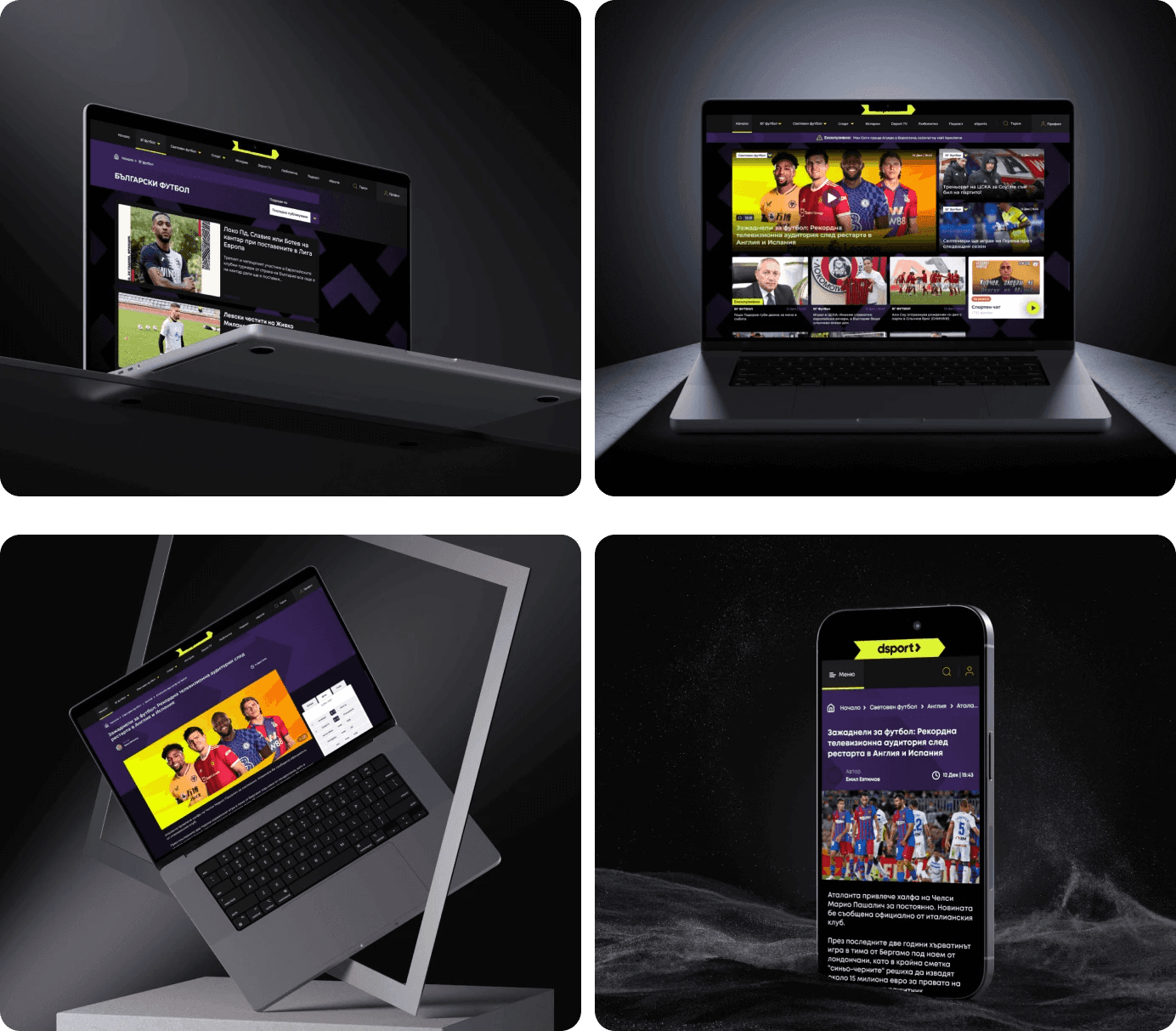
Examining real-world examples of successful brand transformations through UX can provide valuable insights into the impact of a well-executed UX strategy. One such case study involves a leading e-commerce company that was struggling with high cart abandonment rates and low customer retention. By hiring a UX strategy consultant, the company was able to conduct a comprehensive analysis of the user journey and identify key pain points that were contributing to these issues.
The UX consultant recommended several strategic improvements, including simplifying the checkout process, enhancing product search functionality, and providing personalized recommendations. These changes were implemented through an iterative design process that involved extensive usability testing and user feedback. As a result, the company saw a significant reduction in cart abandonment rates and a substantial increase in customer retention and satisfaction.
Another notable case study involves a financial services company that aimed to improve the usability of its online banking platform. The UX consultant conducted a thorough assessment of the existing platform and identified several areas for improvement, including navigation, information architecture, and accessibility. By redesigning the platform with a focus on user-centric principles, the consultant was able to create a more intuitive and enjoyable experience for users. The revamped platform led to increased user engagement, higher satisfaction rates, and a notable improvement in the company's overall brand perception.
Essential Skills and Qualities of an Effective UX Consultant
An effective UX consultant possesses a unique blend of skills and qualities that enable them to drive meaningful brand transformations. One of the most important skills is empathy, which allows the consultant to understand and relate to the needs and emotions of users. This empathetic approach is essential for creating user-centric designs that resonate with the target audience and address their pain points.
In addition to empathy, a successful UX consultant must have strong analytical skills. This involves the ability to gather, interpret, and synthesize data from various sources, including user research, analytics, and usability testing. By leveraging these insights, the consultant can make informed design decisions that enhance the overall user experience. Analytical skills also enable the consultant to identify trends and patterns that can inform future design strategies.
Another crucial quality of an effective UX consultant is strong communication skills. This includes the ability to articulate design concepts, present findings, and collaborate with stakeholders from diverse backgrounds. Clear and effective communication ensures that all parties are aligned and that the project progresses smoothly. Additionally, a successful UX consultant must be adaptable and open to feedback, as the design process often involves iteration and refinement based on user input.
How to Choose the Right UX Strategy Consultant for Your Brand
Selecting the right UX strategy consultant for your brand is a critical decision that can significantly impact the success of your project. One of the first steps in this process is to evaluate the consultant's experience and expertise. Look for a consultant who has a proven track record of successful projects and a deep understanding of your industry. This ensures that they have the knowledge and skills necessary to address the unique challenges and opportunities of your business.
Another important factor to consider is the consultant's approach to UX design. A good UX strategy consultant should have a user-centric mindset and a comprehensive understanding of the UX design process, from research to implementation. Ask potential consultants about their methodology and how they incorporate user feedback into their design decisions. This will give you a sense of their commitment to creating solutions that truly meet the needs of your users.
Finally, consider the consultant's communication and collaboration skills. The success of a UX project often depends on effective collaboration between the consultant, stakeholders, and the design team. Look for a consultant who can clearly articulate their ideas, listen to feedback, and work seamlessly with your team. Additionally, consider their availability and responsiveness, as timely communication is essential for keeping the project on track and ensuring that any issues are addressed promptly.
Measuring the Impact of UX Strategy on Business Success
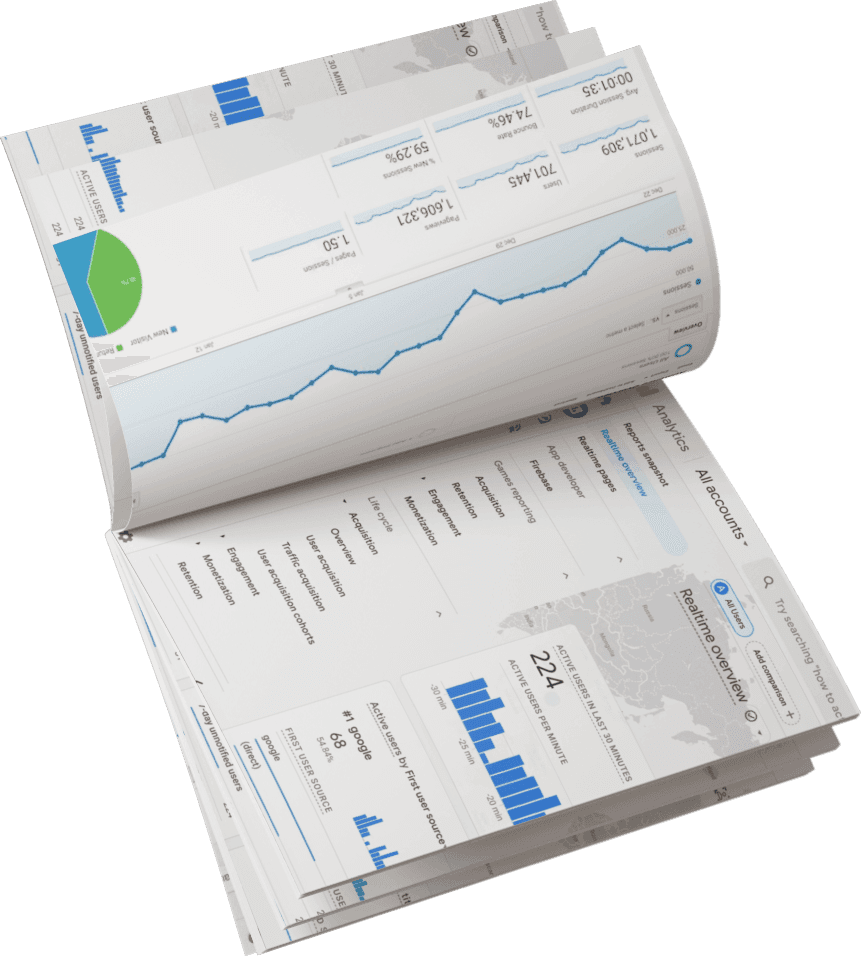
Measuring the impact of a UX strategy on business success involves evaluating both qualitative and quantitative metrics. One of the key indicators of a successful UX strategy is user satisfaction, which can be measured through surveys, feedback forms, and usability testing. By gathering insights directly from users, businesses can assess how well the UX strategy meets their needs and expectations. High levels of user satisfaction are often correlated with increased loyalty and positive word-of-mouth referrals.
Another important metric to consider is user engagement. This includes tracking how users interact with the product or service, such as the time spent on the site, the number of pages visited, and the frequency of return visits. Increased user engagement is a strong indicator that the UX strategy is effectively capturing and retaining users' attention. Analytics tools can provide valuable data on user behavior, allowing businesses to make data-driven decisions to further enhance the user experience.
Finally, businesses should measure the impact of the UX strategy on key performance indicators (KPIs) such as conversion rates, customer retention, and revenue growth. By comparing these metrics before and after the implementation of the UX strategy, businesses can assess the tangible business outcomes of their efforts. A successful UX strategy often leads to higher conversion rates, increased customer retention, and improved profitability, demonstrating the value of investing in user-centered design.
Common Challenges in UX Consulting and How to Overcome Them
UX consulting comes with its own set of challenges, and overcoming them requires a strategic and flexible approach. One common challenge is resistance to change from stakeholders who may be accustomed to existing processes and designs. To address this, a UX consultant must effectively communicate the benefits of the proposed changes and provide evidence-based rationale for their recommendations. Engaging stakeholders early in the process and involving them in decision-making can also help build buy-in and support for the UX strategy.
Another challenge in UX consulting is balancing user needs with business goals. While the primary focus of UX design is to create a seamless and enjoyable user experience, it is also important to align these efforts with the business objectives. A skilled UX consultant must find a balance between addressing user pain points and achieving key business outcomes, such as increased conversions or improved operational efficiency. This requires a deep understanding of both user behavior and business strategy.
Lastly, the iterative nature of the UX design process can sometimes lead to scope creep and project delays. To mitigate this, a UX consultant should establish clear project timelines and deliverables from the outset and manage expectations accordingly. Regular check-ins and progress updates can help keep the project on track and ensure that any issues are addressed promptly. By maintaining open communication and a structured approach, a UX consultant can navigate these challenges and deliver successful outcomes.
Conclusion: The Future of Brands with UX Strategy Consulting
The future of brands lies in their ability to deliver exceptional user experiences, and UX strategy consulting will play a pivotal role in achieving this. As user expectations continue to evolve, businesses must prioritize user-centric design to stay competitive and relevant. By leveraging the expertise of a UX strategy consultant, brands can gain valuable insights into user behavior, create intuitive and enjoyable interactions, and drive meaningful business outcomes.
The impact of a well-executed UX strategy extends beyond immediate business metrics. It builds long-term relationships with users, fosters brand loyalty, and enhances the overall perception of the brand. In an increasingly digital world, where users have countless options at their fingertips, a superior user experience can be the key differentiator that sets a brand apart. Investing in UX strategy consulting is not just a short-term solution but a long-term commitment to delivering value to users and achieving sustainable success.
As we look to the future, the role of UX strategy consultants will continue to evolve, driven by advancements in technology and changing user behaviors. Emerging trends such as artificial intelligence, voice interfaces, and augmented reality will present new opportunities and challenges for UX design. Brands that stay ahead of these trends and continuously innovate their user experiences will be well-positioned to thrive in the dynamic digital landscape. The future of brands is bright, and UX strategy consulting will be at the forefront of this transformative journey.
Read more:
AI Integration in UX Design: Enhancing User Experiences
Unlocking Success: How a UX Strategy Consultant Transforms Brands
Building AI Products with Great UX: Mastering the Text Prompt

How Can We Reduce Stress for Users?

Why UX Is Moving From Execution to Judgment
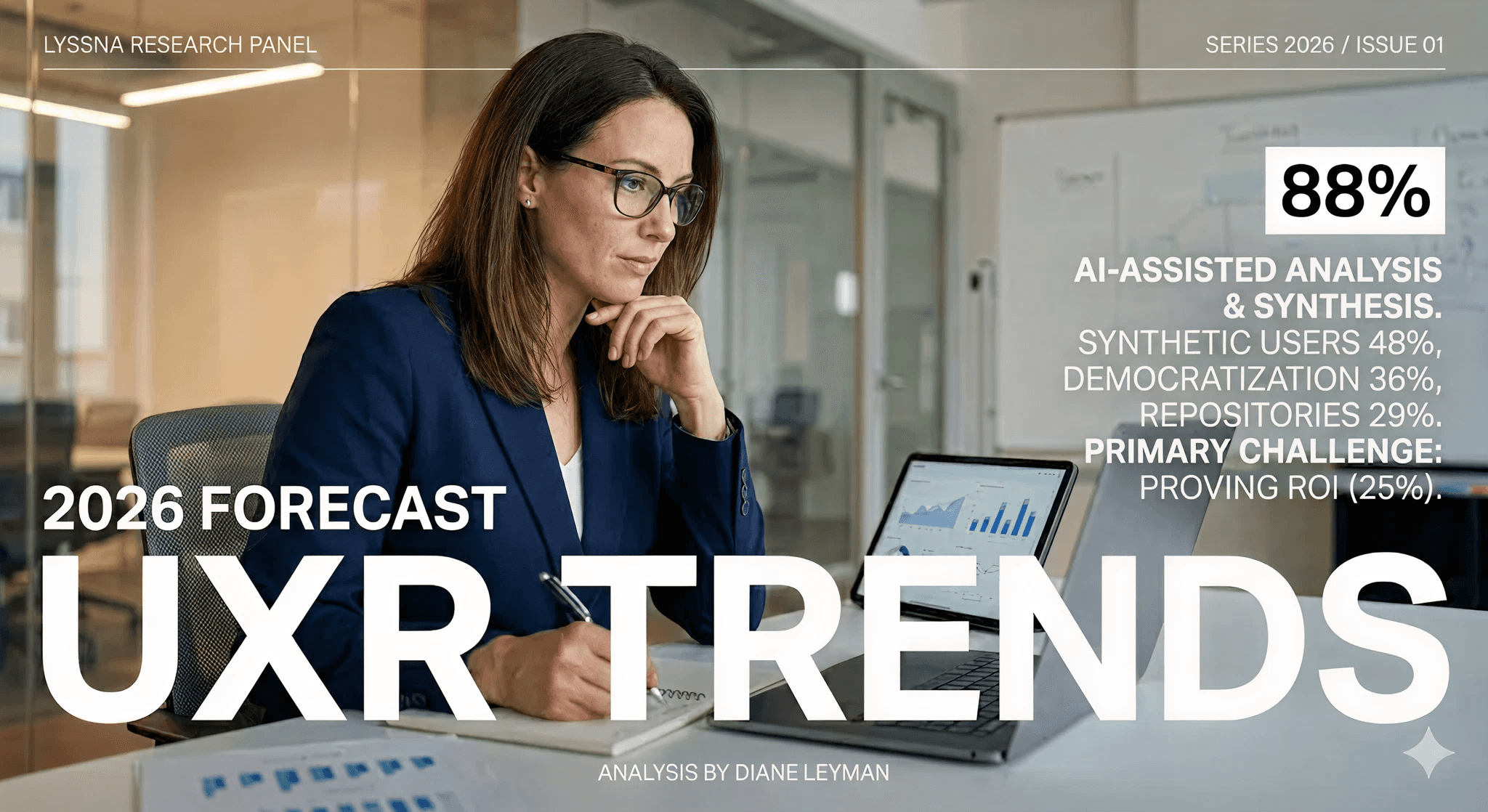
UX Research in 2026: When AI Takes the Work and Leaves Us the Weight

The Quiet Shift Changing UX
Synthetic users: is there a place for “AI-generated users” in UX Research?
The Mechanics Behind Making Better Design Decisions

Is mobile-first approach killing your website’s potential?